
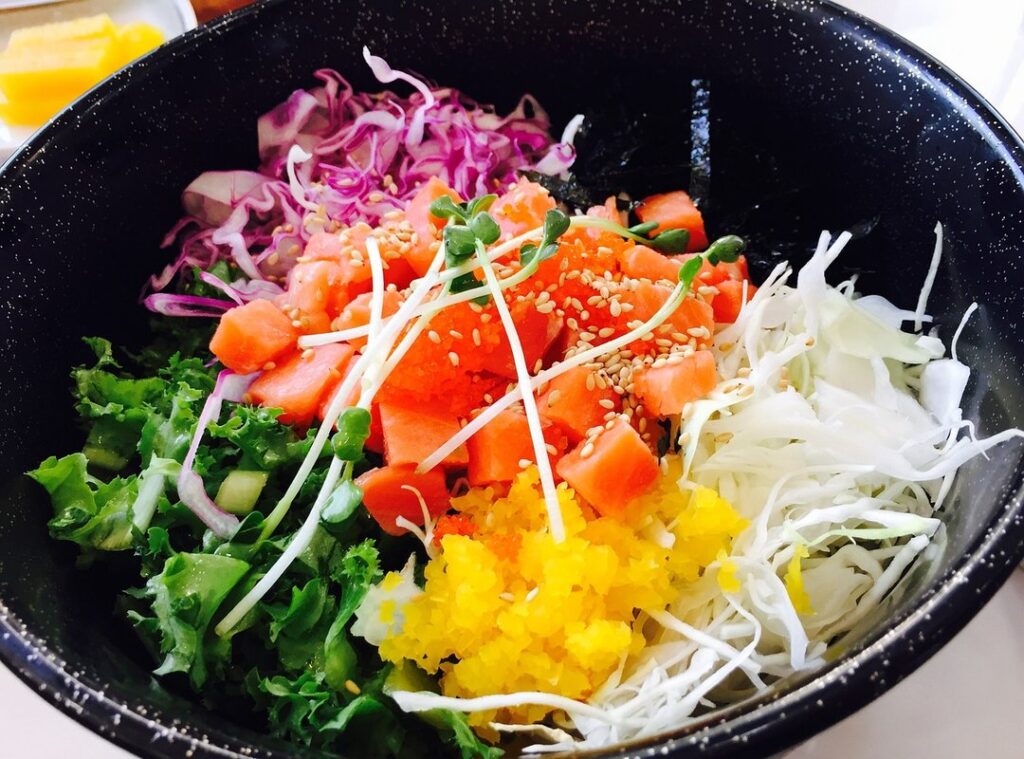
You typed Is Glarosoupa Sashimi Good Me Hsfpewhixon into Google.
I saw that.
And I know exactly why.
It sounds like a dish (but) it’s not one you’ll find on any menu. Not in Athens. Not in Tokyo.
Not even at your local Greek-Japanese fusion pop-up (if such a thing exists).
So what is it? A typo? A mashup?
A food blogger’s inside joke gone viral?
I don’t pretend to know the origin.
But I do know fish soup and raw fish (what) they do in your body, how they sit with your gut, when they’re worth the risk.
This isn’t about decoding ancient culinary hieroglyphics.
It’s about whether eating something that sounds like “fish soup sashimi” is safe, smart, or just plain confusing.
We’ll break down the real ingredients hiding behind that phrase. No jargon. No guessing games.
Just straight talk about protein, mercury, omega-3s, and sodium.
You want to know if it’s good for you.
So do I.
That’s why this article skips the fluff and goes straight to the facts you can use.
You’ll walk away knowing what to look for (and) what to skip. Next time you see a name that makes you pause.
Glarosoupa Sashimi? Hold on.
I’ve seen “Glarosoupa Sashimi” pop up online. It’s not a real dish. Not in Greece.
Not in Japan. Not anywhere I’ve eaten or cooked.
Glarosoupa is Greek fish soup (simple,) brothy, made with lean white fish like cod or hake, carrots, onions, lemon juice, and olive oil.
You can read more about its roots in the Glarosoupa mple istoria page if you want the real story behind it.
Sashimi is raw fish. Thinly sliced. Fresh.
Served cold. Usually with soy and wasabi. No broth.
No heat. No lemons squeezing over simmering pots.
So what’s “Glarosoupa Sashimi”? Is Glarosoupa Sashimi Good Me Hsfpewhixon? No.
Because it doesn’t exist as one thing.
Maybe someone meant glarosoupa with delicate, barely-poached fish. Or maybe they served sashimi next to the soup at a fusion pop-up in Athens (which I’d question). Or maybe it’s just a typo.
Or confusion.
You can’t judge health impact without knowing what’s actually in the bowl.
Raw fish ≠ boiled fish ≠ fish that sat in hot broth for 20 minutes.
If you’re trying to eat well, start with what’s real. Not mashups made for Instagram captions.
Why Glarosoupa Stands Out
I make Glarosoupa when I need real food. Not filler. Not fancy.
Not loud. Just fish, carrots, celery, onions, and water boiled slow.
It gives me lean protein. No guesswork. The veggies add potassium, vitamin A, and fiber.
Stuff your body uses, not stores. And the broth? Hydration you actually taste.
(Unlike chugging plain water.)
It’s low in calories. Low in fat. No heavy cream.
No butter bombs. Just clean heat and time.
Some fish soups use mackerel or sardines for omega-3s. Glarosoupa usually goes lean (like) cod or hake (so) it’s lighter but still nourishing. You don’t need fatty fish to feel full and clear-headed.
It slides down easy when your throat’s raw or your stomach’s off. Warm. Soft.
No chewing drama.
Is Glarosoupa Sashimi Good Me Hsfpewhixon? No. That’s not Glarosoupa.
That’s confusion with raw fish. Glarosoupa is cooked. It’s soup.
It’s meant to be sipped, not sliced.
You want comfort that works. Not buzzwords. This is it.
Raw Fish: What You’re Actually Eating
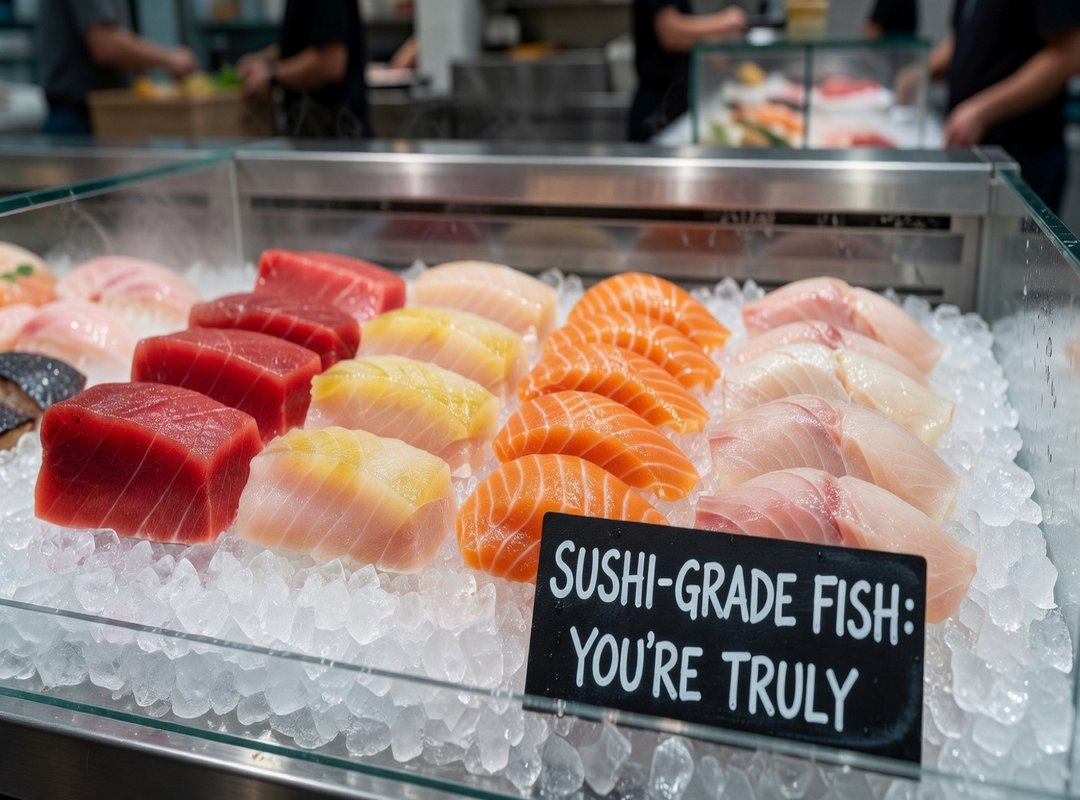
Sashimi is lean protein. It’s omega-3s (especially) from salmon and tuna. It’s vitamin D, B12, selenium.
Cooking fish destroys some nutrients. Heat breaks down delicate omega-3s. It degrades B12.
Eating it raw keeps those intact. (That’s why sushi chefs don’t cook the good stuff.)
But raw fish carries real risk. Parasites. Salmonella.
Listeria. Food poisoning isn’t theoretical. It happens.
Freshness isn’t a suggestion. It’s non-negotiable. You need fish frozen to kill parasites.
You need clean knives. You need trained hands. If your supplier won’t tell you where the fish came from, walk away.
Pregnant women? Skip it. Kids under five?
Not worth it. Older adults? Immune-compromised people?
Same answer.
Is Glarosoupa Sashimi Good Me Hsfpewhixon? I don’t know. And neither should you (unless) you’ve checked the source.
That’s why I always look for traceability. Like the Globally Glarosoupa Teched Defstupgamible standard. It’s not marketing fluff.
It’s proof the fish was handled right.
Here’s what matters most:
| What Helps | What Hurts |
|---|---|
| Flash-frozen at sea | Room-temperature display |
| Clear origin labeling | Vague “imported seafood” signs |
Trust your nose. If it smells fishy (it’s) too fishy.
Glarosoupa Sashimi: Good or Risky?
I’ve eaten it twice. Once in Athens, once in a tiny spot near Piraeus. Both times, the broth was deep and clean.
The sashimi sat beside it (thin,) glistening, cold.
It can be good for you. Real omega-3s. Real protein.
Warm broth with collagen, herbs, maybe lemon. Your body uses that stuff.
But here’s the catch: it only works if the fish is fresh. Not “looked okay” fresh. Not “smelled fine” fresh. Fridge-cold, handled right, sourced same-day fresh.
You wouldn’t eat raw oysters from a gas station cooler. So why trust sashimi in a soup bowl without knowing the source?
If it’s not? You’re rolling dice with parasites and bacteria. No amount of ginger or lemon fixes bad handling.
The broth doesn’t save you. It never does. The fish carries the risk (and) the reward.
Is Glarosoupa Sashimi Good Me Hsfpewhixon?
Only if the person making it respects fish like it’s medicine.
I ask the chef where the fish came from. Every time. If they hesitate, I order something else.
Some places serve sashimi-grade fish straight from the boat. Others thaw yesterday’s frozen tuna and call it “traditional.”
There’s no middle ground.
You don’t need fancy labels. Just eyes. Smell.
A quick question.
Worried about what sticks to your teeth after? Try the Teeth Glarosoupa Cleaning Hack Hsfrespirate.
Fish Choices That Won’t Make You Sick
Is Glarosoupa Sashimi Good Me Hsfpewhixon? Not really. Because it’s not a real dish.
I’ve seen people order it thinking it’s authentic. It’s not.
Fish soup and sashimi are both healthy (if) done right.
Raw fish needs to be ultra-fresh. Handled right. Sourced without question.
You don’t get that at most places serving made-up names.
So ask yourself: do you really know where that raw fish came from? Or are you trusting a menu typo?
If you’re not 100% sure, cook it. Boil it. Bake it.
Safety isn’t optional. Especially with raw seafood.
You want the benefits of fish. Omega-3s, lean protein, real flavor.
You don’t want food poisoning.
So next time you see something weird on the menu (pause.) Check the source. Or just pick the grilled salmon instead.
Go eat fish. But eat it smart.
 pvp_volcano serves as a cornerstone of the Jaobvent editorial team, bringing an analytical eye to the ever-shifting landscape of competitive gaming. With a focus on deep-dive strategy and meta-analysis, pvp_volcano breaks down complex gameplay mechanics into digestible, actionable guides for players of all skill levels. Their dedication to uncovering the technical nuances of digital culture ensures that the community stays ahead of the curve, whether they are navigating the latest patch notes or mastering a new esports title.