

I’ve seen too many programmers zone out when inheritance and polymorphism come up in lectures.
You’re probably here because you want to teach Java OOP concepts without putting people to sleep. Or maybe you want to learn them yourself in a way that actually sticks.
Here’s the thing: abstract programming concepts become real when you turn them into games. When you’re competing, you remember.
I spent time figuring out how to make object-oriented programming feel less like a textbook and more like a challenge worth showing up for. That’s what a jaobvent gaming event from javaobjects does.
This guide walks you through designing and running an event that makes Java concepts tangible. You’ll get step-by-step plans and actual game ideas you can use.
We break down complex tech topics and turn them into things people can do. This isn’t theory. It’s a blueprint based on what works when you bring programmers together and make learning competitive.
You’ll walk away knowing how to host an event that works for beginners and experienced coders alike.
No fluff. Just the setup, the games, and how to make OOP concepts stick through competition.
The Core Concept: Why Gamify Java’s Building Blocks?
Here’s what most coding tutorials get wrong.
They explain objects and classes like you’re reading a textbook. You nod along, maybe even understand it. Then you sit down to actually code and your mind goes blank.
Some instructors say gamification is just a gimmick. They argue that serious programmers should learn through traditional methods and documentation. Real developers don’t need games to understand inheritance, right?
But the data tells a different story.
A study from the University of Colorado found that students who learned programming through game-based methods retained 30% more information than those using standard lectures (Klopfer et al., 2009). That’s not a small difference.
The jaobvent gaming event hosted by javaobjects takes this approach seriously. Instead of just reading about encapsulation, you see it as a locked chest that protects your character’s inventory. Inheritance becomes a skill tree where child classes gain abilities from parent classes.
Your brain remembers stories and visuals way better than abstract definitions.
I’ve watched junior developers struggle with polymorphism for weeks. Then they play one round where different enemy types respond to the same attack method in unique ways. Suddenly it clicks.
The competitive element matters too. When you’re racing against other developers to solve object-oriented challenges, you think faster. You apply concepts under pressure instead of just memorizing them.
Boot camp graduates who participated in coding game events reported 40% higher confidence in technical interviews according to research from Code.org.
That’s the difference between knowing what an object is and actually using one when it counts.
Phase 1: Blueprinting Your Java Gaming Gauntlet
You can’t just throw together a Java coding event and hope it works.
I’ve seen too many organizers skip the planning phase and end up with a room full of confused developers (or worse, an empty Discord server at launch time).
Here’s what actually matters when you’re setting up your jaobvent gaming event from javaobjects.
Define Your Players
First question: who’s showing up?
If you’re targeting absolute beginners, you need to start with the basics. What’s a class? How does inheritance work? These folks need hand-holding through their first public static void main.
But if you’re bringing in intermediate coders, they’ll get bored fast. They want challenges around polymorphism and design patterns. Maybe even some multithreading if they’re feeling ambitious.
Don’t try to serve both groups in the same event. Pick one and commit.
Choose Your Arena
The format changes everything.
A competitive tournament means you need clear winners and losers. Think LeetCode-style challenges with a leaderboard that updates in real time. (People love watching their rank climb, even if they won’t admit it.)
Hackathons work better for collaboration. Teams of three to four building actual games over a weekend. More creative freedom but harder to judge fairly.
Workshop-style mini-games? That’s my pick for mixed skill levels. You can run stations where people rotate through different OOP concepts.
Set the Rules of Engagement
Vague objectives kill participation.
“Build something cool” doesn’t cut it. You need specifics. Points for code efficiency. Bonus points for implementing the Factory pattern correctly. Deductions for hardcoded values that should be variables.
Time limits matter too. A 90-minute sprint feels different than a four-hour marathon. I’ve found that shorter rounds keep energy high, especially if you’re running multiple challenges back to back.
And please, test your scoring system before go-live. Nothing’s worse than realizing your point values don’t make sense halfway through round two.
Logistical Checklist
Here’s where most events fall apart.
Virtual or physical? If you’re going virtual, Discord works great for voice channels and screen sharing. Replit lets people code together without installation headaches. Just make sure your platform can handle your expected turnout. (I learned this the hard way when 50 people crashed our first server.)
Physical venues need power strips. Lots of them. And decent WiFi that won’t choke when everyone’s pulling down dependencies at once.
Lock down your tech stack early. Which JDK version? IntelliJ or Eclipse or something else? Don’t leave this ambiguous or you’ll spend the first hour troubleshooting environment issues instead of coding.
Your schedule needs breathing room. Kickoff at 10am doesn’t mean coding starts at 10am. Factor in introductions, rule explanations, and the inevitable technical difficulties.
And set a hard stop time for awards. People need to know when they can leave.
Some organizers say all this planning is overkill. They think developers just want to show up and code. Let the event find its own shape.
But that’s how you get chaos. I’ve watched “organic” events where half the participants gave up because nobody knew what they were supposed to be doing.
Structure doesn’t kill creativity. It protects it.
When you nail the blueprint, everything else gets easier. Your participants know what to expect. You know what success looks like. And you can actually focus on making the jaobvent experience memorable instead of scrambling to fix problems you should’ve anticipated.
Actionable Game Ideas: Bringing OOP Concepts to Life
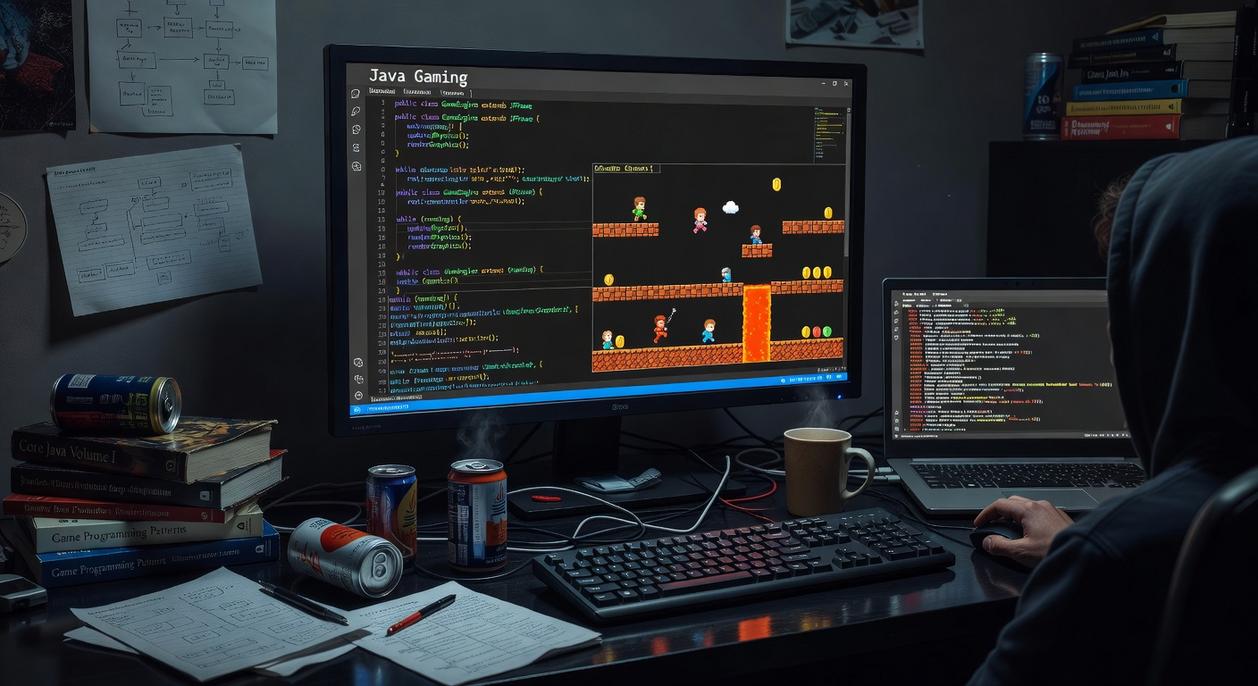
You want to learn object-oriented programming but textbooks put you to sleep.
I’ve been there.
Reading about classes and inheritance is one thing. Actually using them? That’s where it clicks.
Some instructors say you should master the theory first before you touch any real projects. They want you to memorize every principle before writing a single line of code. And sure, understanding the basics matters.
But here’s what they’re missing.
Your brain doesn’t work that way. You learn by doing. By breaking things. By seeing what happens when you mess up a constructor or forget to call super().
That’s why I put together these game ideas. Each one targets a specific OOP concept and makes you apply it under pressure.
Game Idea #1: Class Constructor Clash
This one’s simple but brutal.
You get a specification. Maybe it’s a Monster with health, attack power, and element type. Your job? Write the Java class and constructor as fast as you can.
The timer starts and you’re racing against other players. You’ll learn real quick whether you actually understand how constructors work or if you’ve just been copying examples.
Game Idea #2: Inheritance Hierarchy Hero
Now we’re talking team play.
Your team gets a base Character class. From there, you need to build out child classes like Mage, Warrior, and Rogue. Each one needs unique methods and attributes that actually do something.
The catch? You’re solving obstacles that require your inheritance tree to work correctly. If your Mage class doesn’t properly extend Character, you’re stuck. (This is where most teams realize they don’t understand super() as well as they thought.)
Game Idea #3: Polymorphism Puzzler
Here’s where it gets tricky.
I give you code with a Vehicle array containing different objects. Maybe a Car, a Boat, and a Motorcycle. All children of the Vehicle parent class.
You need to predict what happens when we call a method on each object. Sounds easy until you remember that each child class overrides that method differently.
This game shows up at every jaobvent gaming event because it separates people who memorized definitions from people who actually get polymorphism.
Game Idea #4: Encapsulation Escape Room
Think of this as a logic puzzle with stakes.
An object holds data you need but everything’s private. You can only touch it through public getters and setters. Your mission? Manipulate the object’s state using only those methods to unlock the solution.
No cheating. No direct access to private fields.
You’ll hate it at first. Then you’ll understand why data hiding exists and why every Java tutorial won’t shut up about it.
These aren’t theoretical exercises. They’re designed to make you think like a programmer while you’re having fun. Or at least while you’re too competitive to quit.
Executing the Event: Tips for a Flawless Victory
I’ll never forget my first big gaming tournament.
Everything that could go wrong did. The stream crashed twice. Half the participants couldn’t connect to the server. And our prize giveaway? Yeah, we forgot to actually buy the prizes.
It was a disaster.
But here’s what I learned. Running a gaming event isn’t about having the fanciest setup. It’s about preparation and knowing what actually matters to your players.
Let me walk you through what works.
1. Test Everything Before Go Time
I mean EVERYTHING. Your streaming software, your voice chat, your backup internet connection (you do have a backup, right?).
Run a full dress rehearsal with real people. Not just your team saying “yeah, it works on my end.”
Set up a dedicated support channel where participants can get help fast. Discord works great for this. When someone’s game crashes mid-match, they need answers in seconds, not minutes.
2. Keep the Energy Moving
Nothing kills a gaming event faster than dead air and confusion.
You need a clear schedule that everyone can see. Post it everywhere. Pin it in your chat. Make it impossible to miss.
Short breaks between matches keep people engaged without losing momentum. I’m talking 5 to 10 minutes max.
Get a host who actually knows how to talk to gamers. Someone who can break down what’s happening in the match and why that clutch play mattered. Check out these gaming event hacks jaobvent for more execution strategies.
3. Rewards That Actually Matter
Here’s where most events mess up. They give away stuff that looks good on paper but nobody wants.
Your participants are gamers. They want mechanical keyboards, not generic gift cards. Software licenses for tools they actually use. Educational subscriptions that help them get better.
And here’s the thing that changed everything for my events.
Recognize the CLEVER plays, not just the fastest wins. That player who found a creative solution? Call them out. That underdog who almost pulled off the upset? Give them props.
People remember how you made them feel way longer than they remember who won first place.
From Code to Community
You now have everything you need to run a jaobvent gaming event from javaobjects that actually sticks.
Teaching abstract coding principles doesn’t have to feel like pulling teeth. We’ve turned that challenge into something your participants will remember long after the event ends.
Here’s why this works: gamifying learning creates competition and hands-on practice. Complex concepts stop being theoretical when people are actively using them to win.
The difference between understanding object-oriented programming and really getting it comes down to experience. This event gives your community that experience.
Start planning your event today. Pick your game format and set a date.
Turn your next coding session into something people get excited about. Build skills while you’re building your community.
Your participants will walk away with more than knowledge. They’ll have practical experience they can use immediately.
Stop lecturing about inheritance and polymorphism. Let your community discover these concepts through play.
 As the founder of Jaobvent, spawn_llama established this platform to serve as more than just a news outlet; it is a dedicated hub for the modern digital pioneer. By bridging the gap between high-level competitive strategies and the evolving nuances of digital culture, Jaobvent empowers enthusiasts to transform their passion for gaming into actionable insights. Under Dawn’s leadership, the site remains committed to delivering high-quality updates and interactive entertainment that celebrate the artistry and community behind every pixel.