
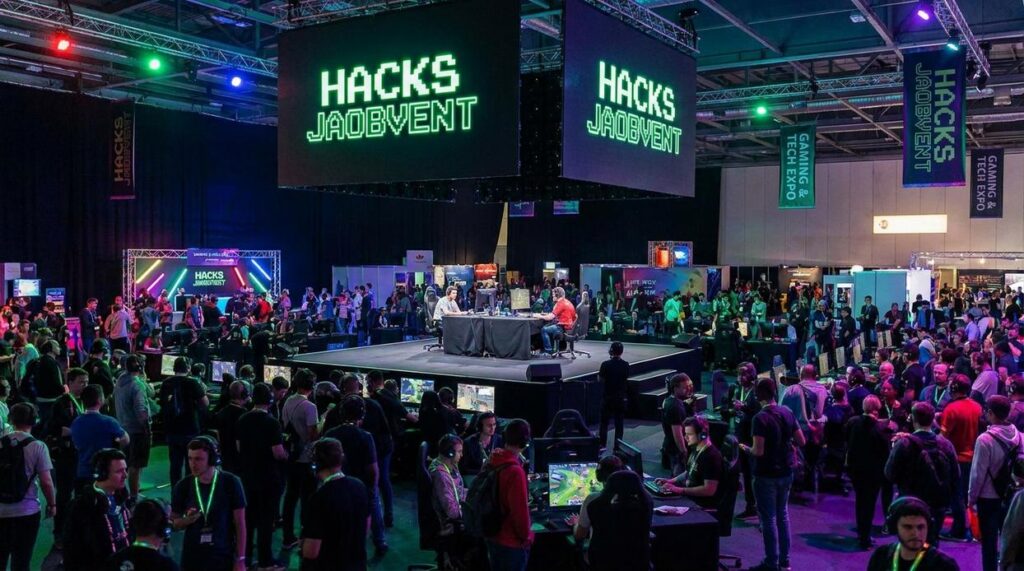
I’ve been to more gaming events than I can count and I still see people making the same mistakes every time.
You show up hyped. You wait in line for hours. You miss the tournament you wanted to watch because you didn’t know it started early. By day two you’re exhausted and wondering why you even came.
Here’s the truth: most gamers leave major events feeling like they missed something big.
I’ve competed at these things. I’ve worked them. I’ve analyzed what separates people who have an incredible experience from those who just survive the weekend.
This guide covers everything you need to know before you go, what to do when you’re there, and how to make the most of it after you leave.
gaming event hacks jaobvent breaks down the prep work that actually matters. We’re talking about the stuff that lets you skip lines, catch the matches that matter, and connect with people who share your interests.
You’ll learn how to plan your schedule without burning out. How to spot opportunities most attendees walk right past. And how to turn a weekend at a convention into something that actually impacts your gaming life.
No fluff about “making memories” or “embracing the community.” Just practical moves that work.
Phase 1: Pre-Event Preparation – The Foundation of Victory
You know what drives me crazy?
Watching someone show up to a major gaming event completely unprepared. They’re fumbling with their gear at setup. Realizing their drivers aren’t updated. Missing panels they actually wanted to see because they didn’t check the schedule.
And then they wonder why the whole experience feels chaotic.
Look, I’ve been there. My first big event was a mess. I thought I could just wing it and figure things out on the fly.
Wrong.
Here’s what nobody tells you about gaming events. The difference between having an incredible time and feeling stressed the entire weekend comes down to what you do before you even leave home.
Some people say preparation kills the spontaneity. That half the fun is just wandering around and seeing what happens. And sure, leave room for unexpected moments.
But you can’t network with developers if you miss their panel. You can’t hit your tournament goals if your mouse dies and you forgot backup batteries.
Let me walk you through what actually works.
Master the Schedule
Download that event map the second it drops. I’m talking about really studying it.
Where are the tournament stations? Which hall has the indie showcases? How long does it take to walk from the main stage to the food court? (Longer than you think, especially during peak hours.)
Build yourself a personalized itinerary. Mark your must-attend panels and your backup options if something runs over.
The Ultimate Gear Check
Your primary setup is obvious. Mouse, keyboard, headset. You’ve got that covered.
But what about the stuff that saves your day when things go sideways?
- Hand warmers for those freezing convention centers
- Extra batteries for everything wireless
- Portable charger that’s actually charged
- Backup cable for your headset
- That one specific mouse pad you need
I pack my gear bag three days before the event. Then I check it again the night before. Sounds paranoid until you’re the person who has everything they need while others are scrambling.
Set Clear Objectives
What does success look like for you at this event?
Be specific. “Have fun” isn’t a goal. It’s too vague to help you make decisions when you’re tired and overwhelmed.
Maybe you want to place top 16 in the main tournament. Or meet three developers working on games in your favorite genre. Or discover five indie titles worth following.
Write it down. When you’re standing at a crossroads between two events, your goals tell you which way to go.
Digital Readiness
This is where most people mess up.
Update your game clients now. Not the morning of the event when the venue WiFi is crawling and 5,000 other people are trying to do the same thing.
Check your drivers. Test your two-factor authentication. Make sure you can actually log into everything you need.
I learned this the hard way at my second event. Spent 45 minutes troubleshooting a login issue that cost me my first match. Never again.
The gaming event hacks jaobvent community talks about are great, but none of them matter if your foundation is shaky.
Pro Tip: Screenshot your itinerary and save it offline. Convention center WiFi is notoriously unreliable, and you don’t want to lose access to your schedule when you need it most.
Preparation isn’t sexy. It doesn’t get highlights on social media.
But it’s the difference between you executing your game plan and you spending the weekend putting out fires that could’ve been prevented.
Phase 2: During the Event – Maximizing In-Game Performance
You made it to the venue.
Now comes the part where most people mess up.
They walk straight to their station and jump into their first match without thinking. No prep. No warmup. Just raw nerves and cold hands.
I’ve watched players throw away months of practice in the first ten minutes because they skipped the basics.
The Art of the Warm-Up
Here’s your 15-minute routine:
- Aim training (5 minutes): Start with tracking drills, then flick shots
- Movement mechanics (5 minutes): Practice your most common plays and positioning
- Mental reset (5 minutes): Close your eyes, breathe, visualize your first engagement
Some competitors say warmups don’t matter if you’re already skilled. That muscle memory kicks in regardless.
But that ignores what actually happens when you’re sitting in an unfamiliar chair with different lighting and a crowd behind you. Your body needs time to adjust.
Cold starts lead to sloppy plays. Period.
Managing Tilt and Fatigue
Live events drain you faster than you think.
You’re playing back to back matches. The noise never stops. Someone’s always watching.
Take breaks between games even if you don’t feel tired yet. Walk around for three minutes. Drink water (not just energy drinks).
Watch for these signs: you’re snapping at teammates, making the same mistake twice, or your reaction time feels off.
That’s when you step away.
Effective On-Site Communication
The venue is loud. Really loud.
Your usual callouts won’t cut it here.
Keep communication short. One or two words max. “Behind” works better than “there’s an enemy flanking from the back left corridor.”
Repeat critical information once if your team doesn’t respond immediately.
And here’s something most gaming event hacks jaobvent guides won’t tell you: establish hand signals with your team before the event starts. Sometimes visual beats audio.
Adapt to the Environment
You’ll probably hate the setup at first.
Different mouse pad. Chair height feels wrong. Monitor seems too bright or too dim.
Give yourself ten minutes to adjust settings before your first official match. Test your sensitivity. Check your keybinds. Make sure audio balance is right.
Don’t be the person who realizes mid-game that their headset volume is cutting out critical sound cues.
The players who win aren’t always the most skilled. They’re the ones who adapt fastest to what’s in front of them.
Phase 3: Beyond the Tournament – Engaging with the Culture

You’ve crushed your matches. Now what?
Most people head straight to the exit or camp at their setup between rounds. But that’s where they miss half the value of showing up to a jaobvent gaming event from javaobjects.
The tournament is just one piece.
Explore the Expo Hall
Think of the floor like a side quest with actual rewards. I’m talking demos you can’t play anywhere else and conversations with developers who built the games you love.
Indie booths are where it gets interesting. These teams will actually talk to you about their design choices and let you test builds that won’t hit Steam for months. Plus the swag situation at smaller booths? Way better than the picked-over stuff at major publisher stands.
Network Like a Pro
Gaming events are packed with people who get what you’re about.
You don’t need some forced networking strategy. Just start conversations at demo stations or while waiting in line. Ask someone what they thought of a match you both watched. Comment on their setup if you’re sitting nearby.
Streamers and industry people are everywhere. They’re usually more approachable than you think (especially between official stuff when they’re just wandering around).
Attend Panels and Workshops
Here’s what you won’t get from Twitch: direct answers from the people who made your favorite games.
Panels give you insight into upcoming releases and design philosophy that never makes it to press releases. Pro player workshops break down strategies in ways that only make sense when you can ask follow-up questions in real time.
I’ve picked up gaming event hacks jaobvent sessions that changed how I approach entire genres.
Stay Fueled and Hydrated
Sounds basic but your performance tanks without it.
Bring a water bottle. Eat actual meals instead of surviving on energy drinks and convention center pretzels. Your reaction time and focus drop fast when you’re running on caffeine and regret.
What Happens After the Event?
You’ll probably want to stay connected with people you met. Grab Discords or socials before you leave. Follow up within a few days while you’re both still thinking about the event.
And review any notes or photos you took. That panel insight or developer contact could matter way more in a few weeks than it does right now.
Phase 4: Post-Event Actions – Solidifying Your Gains
The multiplayer gaming event jaobvent just wrapped up.
You’re exhausted. Your phone is full of new contacts. And you’re probably wondering what to do with all of it.
Here’s where most people mess up. They either go all in on follow-ups (spamming everyone they met) or they do nothing at all and let those connections die.
Let me break down what actually works.
Watch your VODs if you recorded them. You’ll catch mistakes you never noticed during the match. I promise you’ll see patterns in your gameplay that were invisible when you were in the zone.
Now for the networking part. Some people add everyone immediately and start messaging right away. Others wait weeks and then wonder why nobody remembers them.
The sweet spot? Reach out within 48 hours while you’re still fresh in their memory. But keep it simple. A quick “hey, great meeting you at the tournament” works better than a novel.
Here’s a gaming event hacks jaobvent tip: Create a simple spreadsheet or note with names, what you talked about, and one thing you want to follow up on. Sounds boring but it works.
You met someone who plays the same main as you? Note it. Someone mentioned they’re starting a team? Write it down.
Because three weeks from now, you won’t remember any of this.
From Attendee to Event Champion
You now have a complete strategy to transform your next major gaming event from a chaotic experience into a rewarding one.
No more end-of-event regret. No more feeling like you missed out on the best panels or connections.
I’ve watched too many people burn money on convention tickets and walk away disappointed. They had no plan and no system.
You’re different now.
By preparing effectively, engaging fully (both in and out of the game), and following up afterward, you guarantee a maximum return on your time and ticket price.
The framework is simple. Scout the schedule early. Pack smart. Show up with intention. Connect with people who share your interests. Take notes on what matters. Then actually use what you learned when you get home.
Here’s your next move: Pick your next big gaming convention and apply this system from start to finish. Block out prep time on your calendar. Build your event schedule. Set your goals before you walk through those doors.
These gaming event hacks jaobvent covers aren’t theory. They work because they’re built on real experience and real results.
Stop winging it. Start dominating your convention experience.
Your next event is waiting.
 As the founder of Jaobvent, spawn_llama established this platform to serve as more than just a news outlet; it is a dedicated hub for the modern digital pioneer. By bridging the gap between high-level competitive strategies and the evolving nuances of digital culture, Jaobvent empowers enthusiasts to transform their passion for gaming into actionable insights. Under Dawn’s leadership, the site remains committed to delivering high-quality updates and interactive entertainment that celebrate the artistry and community behind every pixel.