
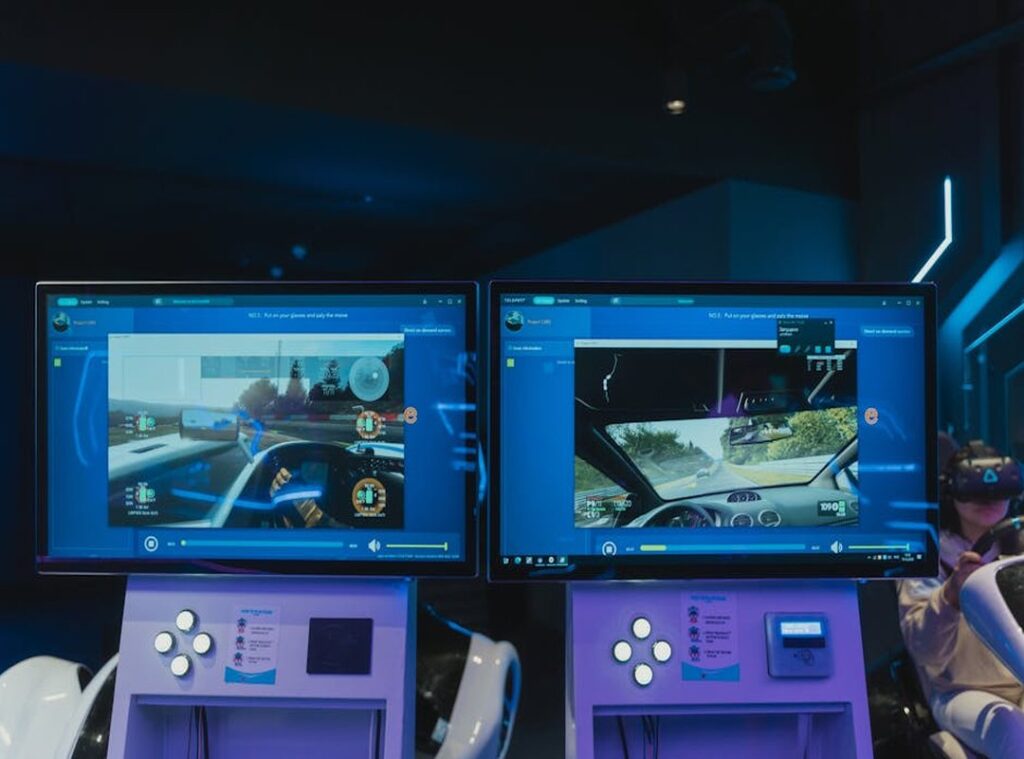
You’ve seen the term floating around.
Vrstgameplay.
It sounds like jargon.
Like something slapped on a press release to sound important.
But it’s not.
It’s real.
And it’s already changing how games feel in your hands (and) in your head.
I’ve spent months watching this unfold. Not from a lab. Not from a spreadsheet.
From actual players. Actual studios. Actual late-night Discord threads where people are already arguing about it.
You’re here because you’re tired of hype cycles. You want to know what Vrstgameplay actually does. Not what it promises.
Not what it might become. What it is, right now.
Why does it matter?
Because if you wait until it’s everywhere, you’ll already be behind.
This article cuts through the noise. No fluff. No predictions dressed as facts.
Just how it works. Where it’s live. And why it shifts the ground under every game you care about.
You’ll walk away knowing exactly what Vrstgameplay means. And whether it’s worth your time. That’s the promise.
I keep it.
What VRST Really Means
I call it Vrstgameplay (not) because it sounds cool, but because it sticks. (And yes, I checked the spelling twice.)
It stands for Virtual Reality Storytelling. Not “VR gaming.” Not “immersive tech demo.” Storytelling. First.
Always.
VR means you’re inside it. Not watching. Not controlling a character from outside.
You’re there. Your body believes it. Your breath changes.
That’s not magic. It’s physics and psychology working together.
Storytelling means someone wrote a real plot. With stakes. With silence between lines.
With characters who don’t explain themselves just to fill air.
Most VR games ask: Can you hit the target? Can you solve the puzzle?
VRST asks: What do you do when the person you trusted lies to your face?
You don’t press a button to feel guilt. You feel it (because) the story made space for it.
I played one where I sat across from a dying friend. No HUD. No objectives.
Just her voice, shaky, and my hands trembling (not) from code, but from choice.
That’s why I go to Vrstgameplay first when I want something that lands.
Traditional VR drops you into action.
VRST drops you into consequence.
You ever walk away from a game and still hear a character’s laugh in your head? Yeah. That’s the goal.
No points. No leaderboards. Just memory.
Why VRST Feels Real
I don’t buy the hype about graphics alone making VR feel real. They help. But Vrstgameplay lives in your ears, your hands, and your choices.
Sound wraps around you like fog. Not just background noise. Footsteps echo differently on metal versus wood.
A whisper behind you makes you turn. (Yes, I jumped. Twice.)
Haptics aren’t buzzes. They’re weight. A door latch clicking shut.
Rain hitting your jacket. Your controller pulls when you grab something heavy. It’s not fancy (it’s) honest.
Agency isn’t “pick dialogue option A or B.” It’s walking away from a fight. Hiding instead of shooting. Lying to someone who trusts you.
And the story remembers. Not with a pop-up saying “choice saved” (it) just changes. Characters act differently next time.
Missed chances stay missed.
Presence isn’t magic. It’s what happens when all that stuff stops feeling like inputs and starts feeling like life. You forget the headset.
You forget the controller. You forget you’re playing.
That’s rare. Most games want you to win. VRST wants you to breathe in its world.
Does it always land? No. Some scenes still feel thin.
But when it works. Wow.
You ever played something and had to pause just to catch your breath? Yeah. That’s the goal.
What If You Were In the Story?
What happens when you stop watching a story. And start breathing its air?
I stood in a burning library once. Not on screen. Not in my head.
My hands shook. My throat closed. That’s not movie magic.
You’ve cried at a book. You’ve jumped at a horror film. But have you ever backed away from a character because you felt their grief like pressure on your chest?
That’s VRST.
That’s the shift.
Vrstgameplay doesn’t ask you to imagine. It drops you in.
Imagine choosing whether to save a child or warn a village (while) rain soaks your jacket and distant screams get louder. You’re not picking A or B on a menu. You’re there, heart pounding, mouth dry.
That changes empathy. Not “I feel bad for them.” But “I am them (just) for ten minutes.”
Reading builds understanding. Film builds mood. VRST builds memory.
And memory sticks.
Why do you think your palms sweat more in VR than in a theater?
Because your brain doesn’t know the difference.
It believes you.
So tell me (what) story would you step into first? Not watch. Not read. Live.
VRST Is Rough Right Now (And That’s Okay)
Motion sickness hits hard. I’ve quit games mid-session because my stomach revolted. You feel it too, right?
Headsets cost more than a decent laptop. Not everyone can drop $1,000 just to try walking on Mars.
Storytelling tools are still basic. Most VRST gameplay feels like watching a cutscene you’re standing inside. Not living inside.
But things are changing fast.
New headsets run smoother. Less lag. Less blur.
Less nausea.
AI helps build reactive worlds. Not just scripted paths. Real choices with real weight.
Haptics now tap your shoulder or vibrate your palm. Not just buzz your controller.
Which Gaming Mouse Pad to Chooose Vrstgameplay? Yeah, even the peripherals matter when you’re trying to stay grounded.
Education could use this. Imagine dissecting a frog in 3D instead of flipping a textbook page.
Therapy already does. PTSD patients reprocess trauma safely. Stroke rehab gets more engaging.
Live concerts? Sports? You’ll sit courtside.
Or backstage (without) leaving your couch.
None of this waits for perfection.
Try Moss. Or I Expect You To Die. Or even Beat Saber.
You don’t need top-tier gear to feel the shift.
Just put it on. Stay five minutes. Then ten.
That first “whoa” moment? That’s the future knocking.
This Changes How You Play Stories
I told you what Vrstgameplay is. No jargon. No fluff.
Just the real deal.
You wanted to understand cutting-edge gaming experiences. Not theory. Not hype.
You wanted to get it. And now you do.
The pain point was real: watching others talk about VR storytelling while feeling locked out. Like standing outside a door with no handle. That ends here.
Vrstgameplay puts you inside the story. Not as a viewer, not as a controller, but as someone who moves, chooses, breathes the world. It’s not passive.
It’s not distant. It’s you, stepping forward.
So go try one. Pick a title. Put on the headset.
Don’t wait for “the right time.” There is no right time (only) now.
Talk about it after. Tell friends what surprised you. Ask questions in forums.
Stay curious (not) just about how it works, but how it feels.
This isn’t just another gaming trend. It’s the first real shift in how humans experience narrative since film began. And it’s already here.
What are you waiting for?
Go play.
 pvp_volcano serves as a cornerstone of the Jaobvent editorial team, bringing an analytical eye to the ever-shifting landscape of competitive gaming. With a focus on deep-dive strategy and meta-analysis, pvp_volcano breaks down complex gameplay mechanics into digestible, actionable guides for players of all skill levels. Their dedication to uncovering the technical nuances of digital culture ensures that the community stays ahead of the curve, whether they are navigating the latest patch notes or mastering a new esports title.