
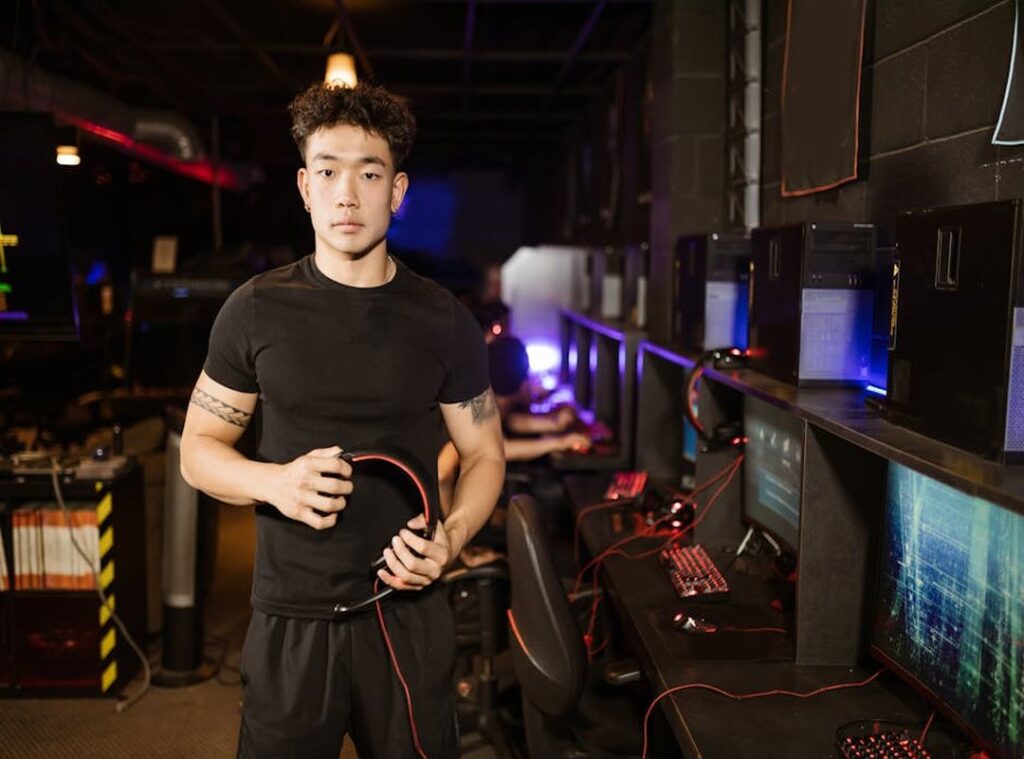
Picking gaming headphones feels like choosing a weapon before battle. Too many options. Too much noise.
I’ve bought bad ones. Wasted money. Sat through muffled footsteps and tinny explosions.
You’ve probably done the same.
Which Gaming Headphones Should I Buy Dtrgsgaming?
That question shouldn’t send you down a 3-hour YouTube rabbit hole.
Good headphones change everything. You hear enemies behind you. You feel the bass drop in the boss theme.
You don’t miss audio cues because your gear is holding you back.
This isn’t another list of “top 10” picks with no real advice.
It’s a straight talk guide. No fluff, no hype.
By the end, you’ll know exactly what matters for your setup. Not some generic spec sheet. Your desk.
Your games. Your ears.
You’ll walk away knowing which features actually help. And which ones just jack up the price. No guessing.
No regrets. Just clear next steps.
Wired or Wireless? Pick One.
I plug in my headphones and the game starts. No lag. No dropouts.
Just sound (right) when it should hit. Wired works. Always.
You get better audio. Cheaper gear. Less to charge.
(Unless your cable snaps. Then you curse.)
Wireless gives you space. You stretch. Pace.
Grab a drink without yanking your headset off. But sometimes the audio stutters mid-fight. Or your battery dies during boss rush.
(Yes, even the fancy ones.)
Which Gaming Headphones Should I Buy Dtrgsgaming? Ask yourself: Do you care if audio is 12ms late? If yes, wired.
If you play Fortnite on console from the couch? Wireless wins. Competitive PC players?
Wired. Casual living room sessions? Wireless.
Desk setup with clean cable management? Wired feels tidy. Messy desk with three monitors and a cat?
Wireless avoids the tangle.
Battery life matters only if you forget to charge. I do. Often.
You already know your habits. Trust that.
Latency isn’t just numbers. It’s whether you hear the enemy reload before you see them move.
If you’re wondering which gaming headphones to choose, look no further than Dtrgsgaming for expert recommendations and reviews.
Go wired if you need zero compromise.
Go wireless if you value freedom over frame-perfect timing.
That’s it. No magic. Just what fits you.
Sound Quality Isn’t Just Loud
Sound quality means you hear the crunch of gravel under boots. Not just noise (actual) detail.
I need clear highs to catch that distant rifle reload. Balanced mids so voices don’t sound muffled or tinny. And bass that hits.
But doesn’t drown out the footsteps behind me. (Yeah, those matter.)
Surround sound? Virtual surround is software faking it. True surround needs multiple physical drivers.
Rare in headsets. For competitive play, virtual can help if it’s well-tuned. But most just smear directionality.
You’ve ever spun 180° chasing a sound that wasn’t there? Exactly.
Footsteps in FPS games vanish with muddy mids. Open-world games lose tension when wind or distant wolves blur together. Your brain fills gaps (and) guesses wrong.
Driver size? Bigger isn’t better. A 50mm driver can move more air.
But only if the rest of the design supports it. Frequency response? Just means what range of sounds the headset can reproduce. 20Hz (20kHz) covers human hearing.
Anything outside that is marketing fluff.
Which Gaming Headphones Should I Buy Dtrgsgaming? Stop chasing specs. Try them.
Listen for what you miss (not) what they promise.
You’ll know it when your enemy’s crouch-walk gives them away. Before they see you.
Comfort Is Not Optional
I’ve worn headsets for twelve hours straight. My ears hurt. My head ached.
I quit early.
You will too (if) the headset isn’t built for real use.
Headband padding matters. Thin foam? Forget it.
I want memory foam or soft velour that doesn’t flatten after two weeks.
Ear cups? Over-ear wins every time. They wrap around your ears instead of pressing on them.
On-ear models dig in fast. You feel it by hour three.
Sound isolation? Over-ear blocks noise. On-ear leaks it.
Simple.
Weight is sneaky important. Anything over 300 grams feels heavy by hour five. I check the spec sheet before I even touch the box.
Build quality isn’t about looks. It’s about not snapping the hinge when you fold it wrong. Or having the plastic crack near the slider after six months.
Cheap hinges fail. Thin cables fray. Flimsy arms bend and stay bent.
That’s why I skip flashy brands with hollow plastic shells. I go for metal sliders, reinforced joints, replaceable parts.
You’re not buying a gadget. You’re buying something you’ll wear daily.
Which Gaming Headphones Should I Buy Dtrgsgaming? I’d start with Which Gaming Headphones Are the Best Dtrgsgaming (but) only after trying them on.
No spec sheet fixes a bad fit. Try before you trust.
Mic Quality Makes or Breaks Your Squad Chat
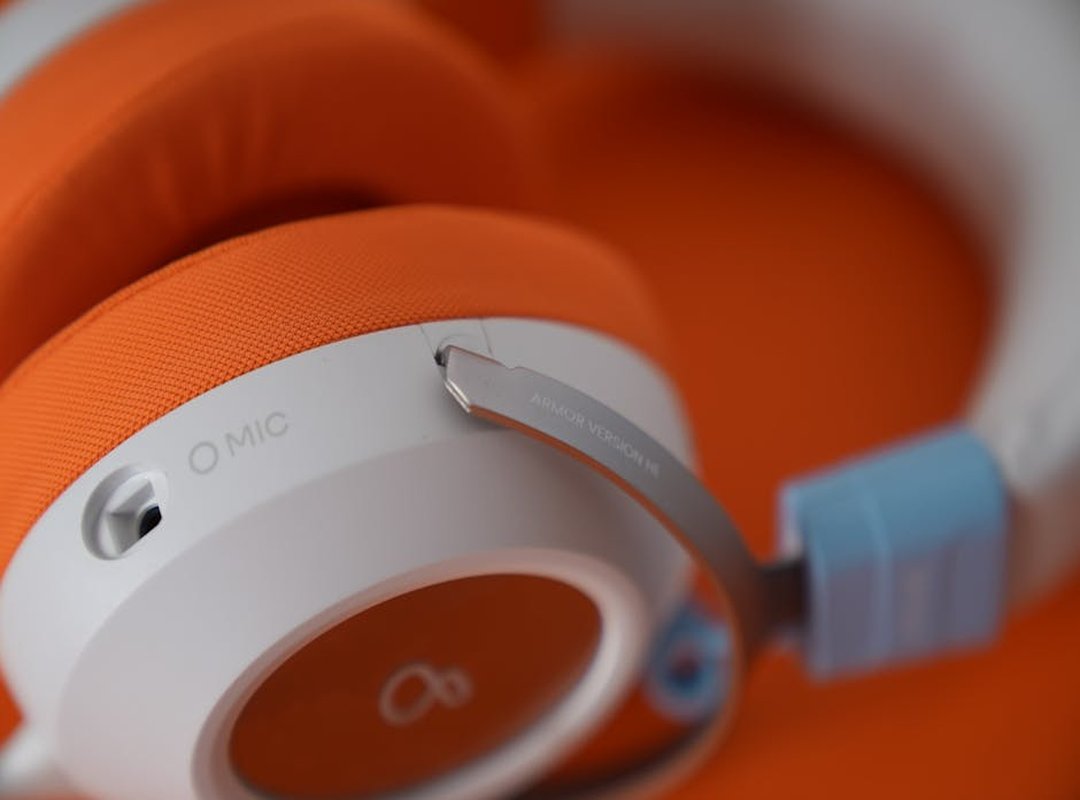
I’ve rage-quit more matches because of bad mics than lag. You hear your teammate say “I’m flanking left” and you sprint right (only) to get shot in the back. Because their mic picked up their dog barking, not their voice.
Detachable mics? I yank mine out when I’m done gaming. Retractable ones snap back like a tape measure (annoying if it sticks).
Flip-to-mute works (until) you forget it’s muted and yell at your squad for five minutes straight.
Noise cancellation isn’t magic. It cuts fridge hum, keyboard clatter, and your roommate’s podcast. But it won’t fix a tinny, distant-sounding mic.
That’s hardware.
Read reviews that test mics. Not just bass response.
Look for phrases like “they heard me clearly over my AC unit” or “my mom thought I was on a Zoom call.”
Real people saying real things.
Which Gaming Headphones Should I Buy Dtrgsgaming? Start with the mic. Not the lights.
Not the ear cushion foam. The mic. If your squad can’t hear you, you’re already losing.
(And yes. I’ve muted myself mid-clutch. Don’t be me.)
What You’ll Actually Spend (and Why)
I set my budget before I even look at headphones.
Not after I fall in love with a $300 pair that does nothing better than the $80 one.
For expert reviews and recommendations on the best gaming headphones, be sure to check out Dtrgsgaming.
Entry-level? Stick to wired 3.5mm. They work everywhere.
No dongles. No drivers. Just plug in and go.
Mid-range? That’s where USB-C and basic wireless start making sense (if) your PC or Switch supports it. Premium?
Only if you care about mic clarity on Discord calls or battery life over 20 hours. (Spoiler: most don’t.)
Compatibility isn’t optional. Xbox doesn’t do Bluetooth audio well. PlayStation needs USB or 3.5mm for chat.
Switch is picky with USB-C adapters. Check the box. Read the specs.
Don’t assume.
Which Gaming Headphones Should I Buy Dtrgsgaming? I use Dtrgsgaming to cut through the noise (no) fluff, just real tests across platforms. You want to know what works now, not what sounded cool in a press release.
So ask yourself: Do I need wireless? Will I use it on Xbox and PC? Does my laptop even have a headphone jack?
If you’re nodding yes to two of those, skip the cheap Bluetooth junk. Just get something that plugs in and stays connected.
Your Headphones Should Feel Like an Extension of You
I’ve tried the cheap ones. I’ve tried the flashy ones. Neither worked until I stopped chasing specs and started listening to what my games actually needed.
Wired or wireless? Sound quality or mic clarity? Comfort during 4-hour raids?
Budget that doesn’t wreck next month’s rent?
You already know what matters most. It’s not what they say is important. It’s what makes you lean in.
Not zone out.
Which Gaming Headphones Should I Buy Dtrgsgaming isn’t a puzzle to solve.
It’s a choice you make based on how you play. Not how some review says you should.
Your ears are tired of compromise. Your focus is slipping. Your team hears static instead of your callouts.
Fix that. Today. Go pick the pair that answers your needs (not) someone else’s checklist.
 Gavryth Lornquill serves as a cornerstone of the Jaobvent editorial team, bringing an analytical eye to the ever-shifting landscape of competitive gaming. With a focus on deep-dive strategy and meta-analysis, Gavryth breaks down complex gameplay mechanics into digestible, actionable guides for players of all skill levels. Their dedication to uncovering the technical nuances of digital culture ensures that the community stays ahead of the curve, whether they are navigating the latest patch notes or mastering a new esports title.