
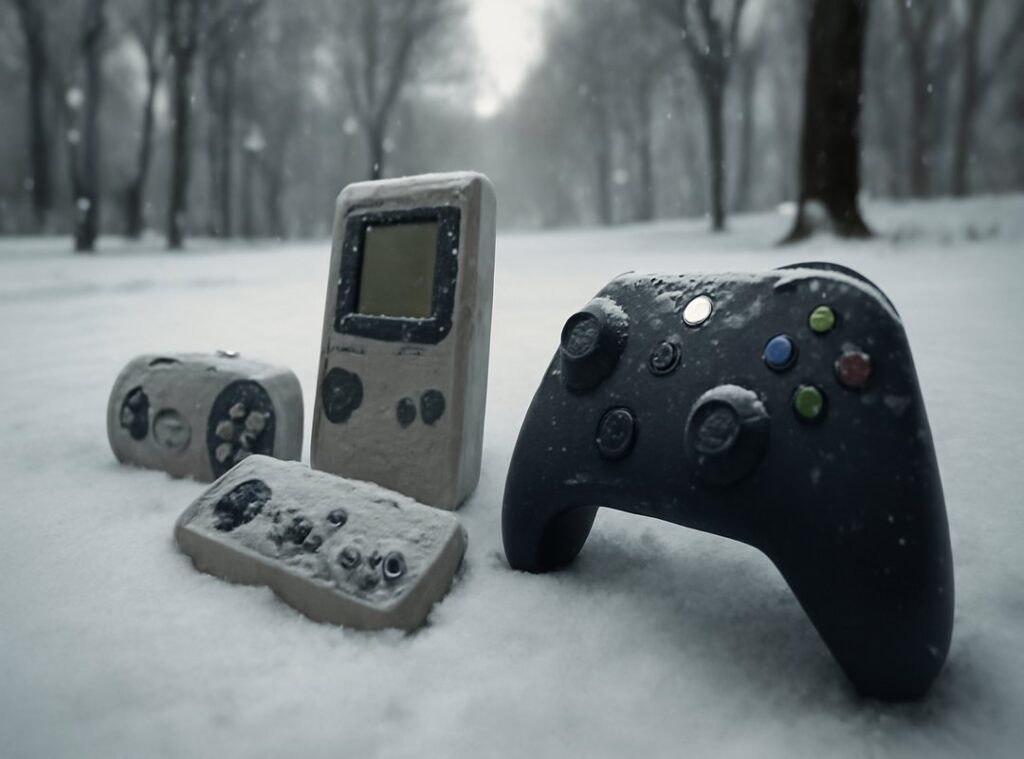
Gaming is more than just a pastime. It’s a changing, ever-evolving global culture that many gamers experience without grasping its rich history.
You might be wondering why that matters. Well, understanding the past can boost your appreciation of the present.
I’ve spent years tracking digital entertainment and cultural trends. I know the ins and outs of how gaming became what it is today.
This article dives deep into the fascinating gaming evolution culture. We’ll explore everything from the earliest pixels to today’s gaming dominance.
You’ll discover big moments that shaped this lively culture.
I promise to connect technology, community, and social shifts in a way that’s engaging and insightful.
By the end, you’ll have a clearer picture of how we got here and where gaming might go next. Knowing this stuff is key if you want to truly engage with the gaming world. Get ready for a journey through gaming’s history and impact.
The Dawn of Digital Worlds: From Arcades to Living Rooms
I lived through the golden age of arcades. The energy was electric. Picture rows of machines, each with its own hypnotic glow.
Games like Pac-Man and Space Invaders weren’t just games (they) were cultural phenomena. People gathered, quarters in hand, waiting for their turn. It was more than just entertainment; it was a community, a shared experience.
Then came the revolution. Home consoles like the Atari and NES changed everything. Suddenly, gaming wasn’t confined to public spaces.
It became a private affair, accessible anytime. This shift didn’t just alter gaming habits. It began shaping the very identity of gamers.
High scores weren’t just numbers; they were badges of honor. Communities formed around these shared achievements.
They pushed boundaries within constraints, setting the stage for future innovation. It’s fascinating how these limitations spurred creativity.
But let’s not ignore the challenges. Early game design was limited by technology. Developers had to be creative.
Now, gaming is more diverse than ever. It’s not just about the games themselves anymore. It’s a whole rise of esports cultural phenomenon.
Each step in this gaming evolution culture has brought us closer to the lively scene we have today.
Forging Global Communities: The Rise of Online & Multiplayer
Remember the days of local split-screen gaming? It was fun, but limited. Then the internet crashed the party and changed everything.
Suddenly, gaming wasn’t just in your living room. It was global. The real revolution began with the explosion of MMORPGs like EverQuest and World of Warcraft.
These weren’t just games; they were persistent virtual worlds. Players built complex social structures and formed enduring communities. It’s fascinating how these games fostered such elaborate societies.
And let’s not forget the competitive online shooters like Doom, Quake, and Counter-Strike. These games didn’t just create intense rivalries; they birthed the concept of “clans.” They laid the groundwork for what we now know as esports. It’s amazing to see how a match in Quake could spark lifelong friendships or rivalries.
Ever wonder how modern digital social spaces evolved? Look no further than these early interactions.
These games were the bedrock of today’s gaming evolution culture. They taught us how to connect, compete, and collaborate online. The shift from solo to multiplayer redefined how we perceive gaming.
It became a shared experience, transcending borders. This transformation isn’t just about technology; it’s about people. Gamers are no longer isolated.
We’re part of a thriving global community, and it’s only growing.
Gaming’s Mainstream Moment: Breaking Barriers
Gaming has come a long way from being a niche hobby. You remember the days when only a specific group played video games, right? Now, thanks to the gaming evolution culture, it’s everywhere.
The Nintendo Wii was a game-changer (pun intended). Its motion controls and family-friendly titles opened gaming to all. Suddenly, your grandma was swinging a virtual tennis racket.
Who saw that coming?
Mobile gaming exploded with titles like Angry Birds and Candy Crush. These games made it easy for anyone to pick up a phone and play. It blurred the lines between “gamers” and “non-gamers.” Suddenly, everyone was gaming, whether they admitted it or not.
It’s not just entertainment anymore; it’s art and social activity. This shift has broadened horizons in ways we couldn’t have imagined a decade ago.
Now, gaming is recognized as a legitimate form of entertainment. It’s not just about play; it’s a cultural force. And if you’re interested in how this impacts social connections, check out gaming communities virtual connections.
It’s fascinating how gaming connects people around the world, forming bonds over pixels and code. Wondering what’s next? Me too.
Esports and Streaming: Gamers Rise to Stardom
Esports isn’t just a hobby anymore. It’s a massive spectacle. When did playing video games become a legit career path?
It’s the kind of thing that used to raise eyebrows. Now, it’s all about professional leagues, huge prize pools, and fans that rival any traditional sport. You know who’s to thank?
Streaming platforms like Twitch and YouTube.
It’s not just about playing games; it’s about creating a whole new gaming evolution culture.
These platforms didn’t just shift the game; they changed the whole culture. Players aren’t just players; they’re brands. They broadcast their gameplay, build followings, and connect directly with fans.
And let’s talk about this cultural shift. Watching others play has become as popular as playing yourself. Honestly, it’s wild how engaging it is.
Ever thought you’d be watching someone else play a game instead of playing it yourself?
This era birthed a new class of celebrities and influencers. Not just players but commentators and creators too. It’s not just a hobby; it’s a viable career.
The world of gaming has exploded, and it’s not stopping anytime soon. Embrace it or get left behind.
The Future is Now: Immersion, Inclusivity, and Innovation
Gaming isn’t just a pastime anymore; it’s a cultural juggernaut. With Virtual Reality (VR) and Augmented Reality (AR), we’ve entered a new area of immersion. Ever tried VR?
It’s like stepping into another world. The tech is still young, but it’s growing. The “metaverse” isn’t just buzz.
It’s a glimpse into a future where digital and physical blur.
Indie games are exploding. They’re not just filler between AAA titles. These gems build creativity and offer diverse narratives that big studios often miss.
Experimentation is their playground. Who knew a game about farming could be so gripping? (Looking at you, Stardew Valley.)
Inclusivity is finally taking center stage. Accessibility features are improving, making gaming a welcoming space for all. This isn’t just about ticking a box; it’s about understanding that gaming evolution culture is changing.
Mental well-being in gaming communities? It’s a thing now, reflecting maturity and consciousness.
Gaming is alive, constantly adapting to tech and societal shifts. It’s exciting, unpredictable. What’s next?
Only time will tell. Hold on, it’s going to be a wild ride.
Embrace the Future of Gaming
Understanding the gaming evolution culture is key to appreciating the present space. Without knowing its roots, gaming can feel disconnected. Now, you’ve got a historical lens to see how lively and changing this culture truly is.
Each game and community connects you to a bigger story.
So, what’s next? Dive in. Play, create, and engage.
Your participation shapes gaming’s future. Don’t just be a spectator; join the conversation. Explore more takeaways and connect with communities that connect with you.
It’s time to level up your involvement in this exciting journey. Let’s make it happen!
 As a lead contributor specializing in interactive entertainment and digital trends, lk_river explores the intersection of storytelling and technology. lk_river’s work focuses on the cultural impact of gaming, providing readers with thought-provoking commentary on how virtual worlds shape our modern social fabric. By blending a passion for investigative reporting with a keen sense of aesthetic innovation, they help define the unique voice of Jaobvent, making it a premier destination for those seeking a more profound understanding of the gaming industry.