
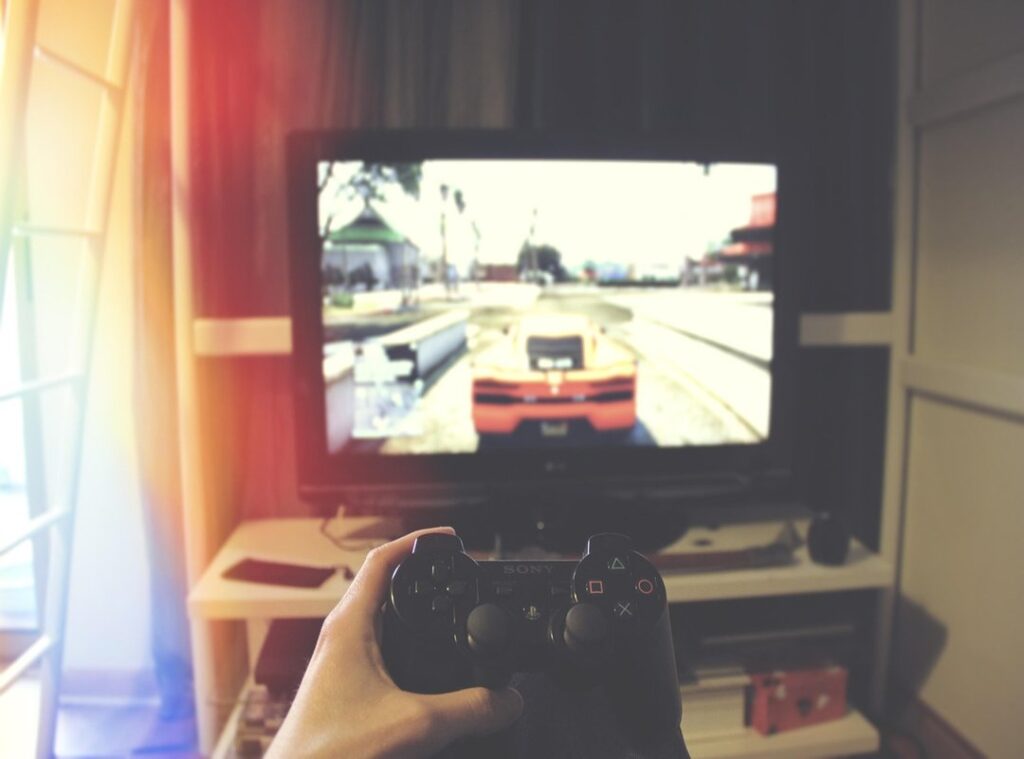
You’re tired of outdated games that can’t keep up with your expectations. You want more immersion and better graphics. This article is all about game patch updates and how they can raise your gaming experience.
I’m here to cut through the noise and explain these enhancements in simple terms. Why should you care? Because understanding this stuff can change how you see your favorite titles.
I’ve spent years tracking the industry and analyzing competitive play strategies, so I know what I’m talking about.
These software improvements shape the gaming space, transforming gameplay and graphics. They help developers and enrich community contributions. You’ll learn how these updates work and why they matter.
By the end, you’ll appreciate the effort behind the scenes and gain a new perspective on your gaming adventures. Let’s dive in and raise your experience.
Game Enhancements: Why They’re Key
Game software enhancements are more than just bug fixes. They’re the magic sauce that transforms a game from good to great. Unlike downloadable content (DLC), which adds new stuff, enhancements refine core functionality, improve performance, and raise user experience.
Why bother? Because they tackle player pain points head-on: performance lags, graphical glitches, or downright clunky interfaces. When you address these, players stick around longer.
They enjoy the game more. They’re happier.
Think about it. Who wants to play a game that stutters every time you make a move? Nobody.
Game patch updates, like frame rate optimizations, are key. They smooth out those rough edges. Remember classic games?
Some have been reborn thanks to texture upgrades and UI overhauls. Modern patches do the same heavy lifting but with today’s tech muscle.
Improvements don’t just create a smooth ride for players; they extend the game’s life. A better experience equals increased retention. Games stay appealing, competitive.
Developers benefit, too. More people play, discuss, and evangelize their favorite titles. The result?
A thriving community. That’s the dual benefit. Get the fundamentals right, and everything else falls into place.
Enhancements aren’t optional. They’re important.
Game Software Upgrades: The Real Deal
Let’s talk about game software enhancements. They’re not just fancy updates; they’re the backbone of any smooth gaming experience. Performance optimization is king here. Ever notice how a stable frame rate and shorter load times can make or break your gameplay?
It’s all about CPU and GPU working smarter, not harder. Fast resource management is a game-changer too. Who has time for lag?
Now, onto graphics. Advanced lighting like ray tracing and higher resolution textures? Yes, please.
These aren’t just for show; they immerse you in the game’s world. And then there’s anti-aliasing. It takes those jagged edges and smooths them out beautifully.
AI and gameplay mechanics? They’re evolving. Smarter enemies and realistic interactions keep us on our toes.
It’s all about creating challenges that feel authentic. When AI gets an upgrade, you get a better game.
Let’s not forget the user interface. Intuitive menus and customizable HUDs are what make a game accessible. It’s the difference between frustration and fun.
Quality-of-life updates? Important.
Finally, networking. Ever played a multiplayer game with lag? Improvements in netcode and server infrastructure have changed that.
Predictive networking and dedicated server upgrades offer smoother online play. It’s a must.
Curious about major studio announcements revealed? They’re shaping these enhancements too. Game patch updates aren’t just tweaks; they’re important upgrades that transform your gaming experience.
The Developer’s Toolkit: Game Enhancements Unlocked
When you’re in the trenches of game development, game patch updates are a never-ending saga. I know, because I’ve been there. Developers are always tweaking, fixing, and enhancing.
It’s this iterative nature that makes the magic happen. Feedback and analytics aren’t just data (they’re) the compass guiding enhancements. Playtesting?
It’s like the brutal (yet important) dress rehearsal for your game.
Code refactoring is our bread and butter. It’s not glamorous, but without it, we’re stuck with spaghetti code. Engine upgrades and asset optimization are tricky beasts.
They promise visual fidelity and performance but can easily spiral into a nightmare if not handled properly. Middlewares like Unity and Unreal Engine updates are godsends, yet they come with their own set of surprises. Kind of like a new season of your favorite show.
Exciting but full of twists.
There’s always a tug-of-war between performance and visuals. It’s challenging to balance that and not drown in technical debt. Ensuring backward compatibility?
That’s a mountain to climb. But we do it. Why?
Because games are meant to transcend time.
Specialized tools are our secret weapons. Profiling tools like RenderDoc help us identify bottlenecks. Version control systems like Perforce or Git are lifesavers, ensuring our code doesn’t just vanish into the digital void.
And don’t forget QA. A dedicated quality assurance process is key for spotting improvement areas. It’s the unsung hero that validates all those enhancements.
If you’re curious about the latest release buzz gamers excited, check it out.
Players and Developers: A Changing Duo
Let’s talk about the dance between developers and players. It’s a game of give-and-take (quite literally). Developers release post-launch updates, known as official patches, based on what we (the) players.
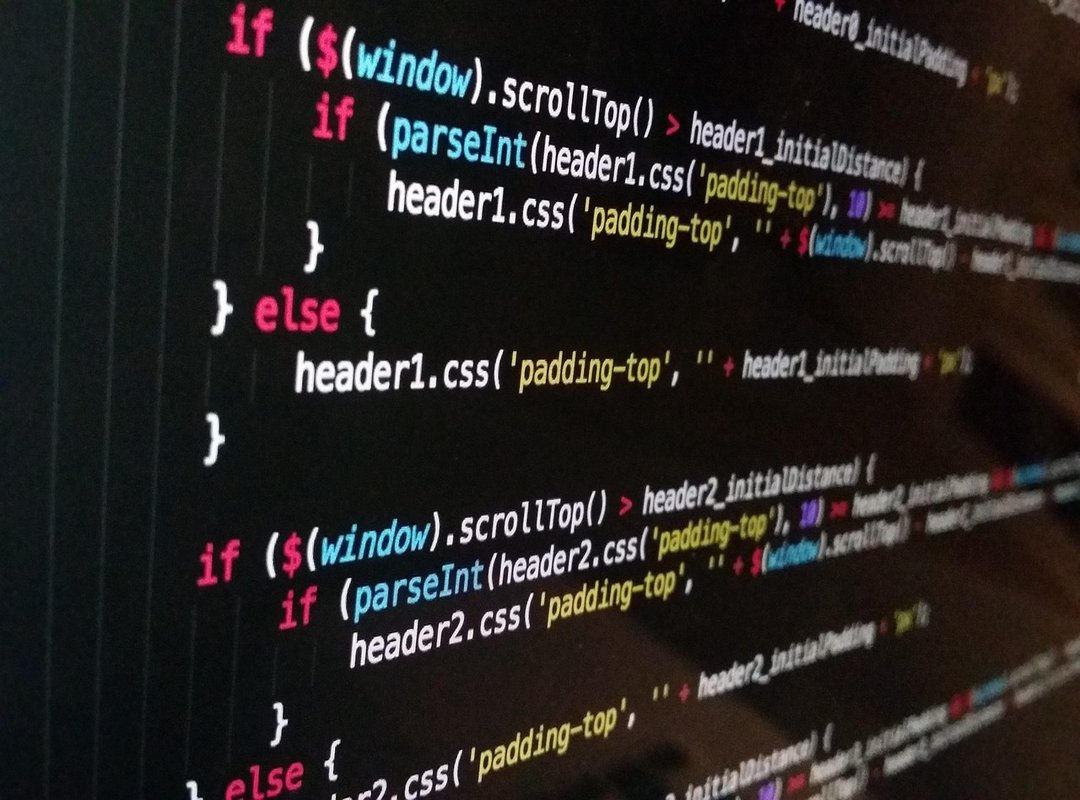
Demand. We’ve all seen how games evolve over time, right? Think of major season updates or detailed balance changes.
These aren’t just random. They’re crafted from our feedback, bug reports, and strategic plans. It’s a mix of artistry and data-driven decisions.
What about downloadable content (DLC)? It’s not just about new levels or characters. Often, they sneak in engine tweaks or gameplay enhancements alongside.
You pay for fresh content, but you’re also getting a smoother, better game. Does anyone complain about that? I certainly don’t.
Now, we can’t ignore modding. Mods are the heart and soul of player-driven enhancements. From graphical overhauls to quality-of-life fixes, modders do it all.
They extend a game’s lifespan beyond official support. For instance, game patch updates keep things fresh, but mods push boundaries further. Look at Skyrim or Minecraft (thriving) communities that redefine gaming.
Most importantly, community forums, bug reports, and social media shape the roadmap for these enhancements. We tell developers what works and what doesn’t. It’s a conversation, an evolving dialogue.
So, are you just playing, or are you part of the change? We are the change. We are the players.
Ready Player Next: Gaming’s Bold New Horizons
The future of gaming is wild. With AI-driven procedural content, games won’t just be played; they’ll be alive. Imagine worlds adapting to your every move or skill level.
Cloud gaming and edge computing? They’re offloading processing like pros, letting you experience insane graphics without frying your hardware. The real kicker?
Haptic feedback and VR/AR tech are stepping up, making gaming feel more real than ever. And let’s not forget accessibility. Ongoing enhancements mean everyone can join the fun.
Game patch updates are no longer just fixes; they’re a peek into the future of play. Excited yet?
Raise Your Gaming Game
You’ve got the knowledge now. Understanding game patch updates is key to leveling up your gaming experience. This empowers you to appreciate the hard work developers put into enhancing your favorite titles.
Why settle for outdated versions? Dig into patch notes, join modding communities, and keep up with tech advancements.
You want the best, right? Take charge of your gaming journey.
Start exploring today. Stay informed and engaged. Your optimal gaming experience is just a few clicks away.
Don’t wait. Get in there and discover what you’ve been missing.
 As a lead contributor specializing in interactive entertainment and digital trends, lk_river explores the intersection of storytelling and technology. lk_river’s work focuses on the cultural impact of gaming, providing readers with thought-provoking commentary on how virtual worlds shape our modern social fabric. By blending a passion for investigative reporting with a keen sense of aesthetic innovation, they help define the unique voice of Jaobvent, making it a premier destination for those seeking a more profound understanding of the gaming industry.